Welcome to Balai Playa Resort
Experience Paradise Like Never Before
Coming Soon
Discover Our Paradise


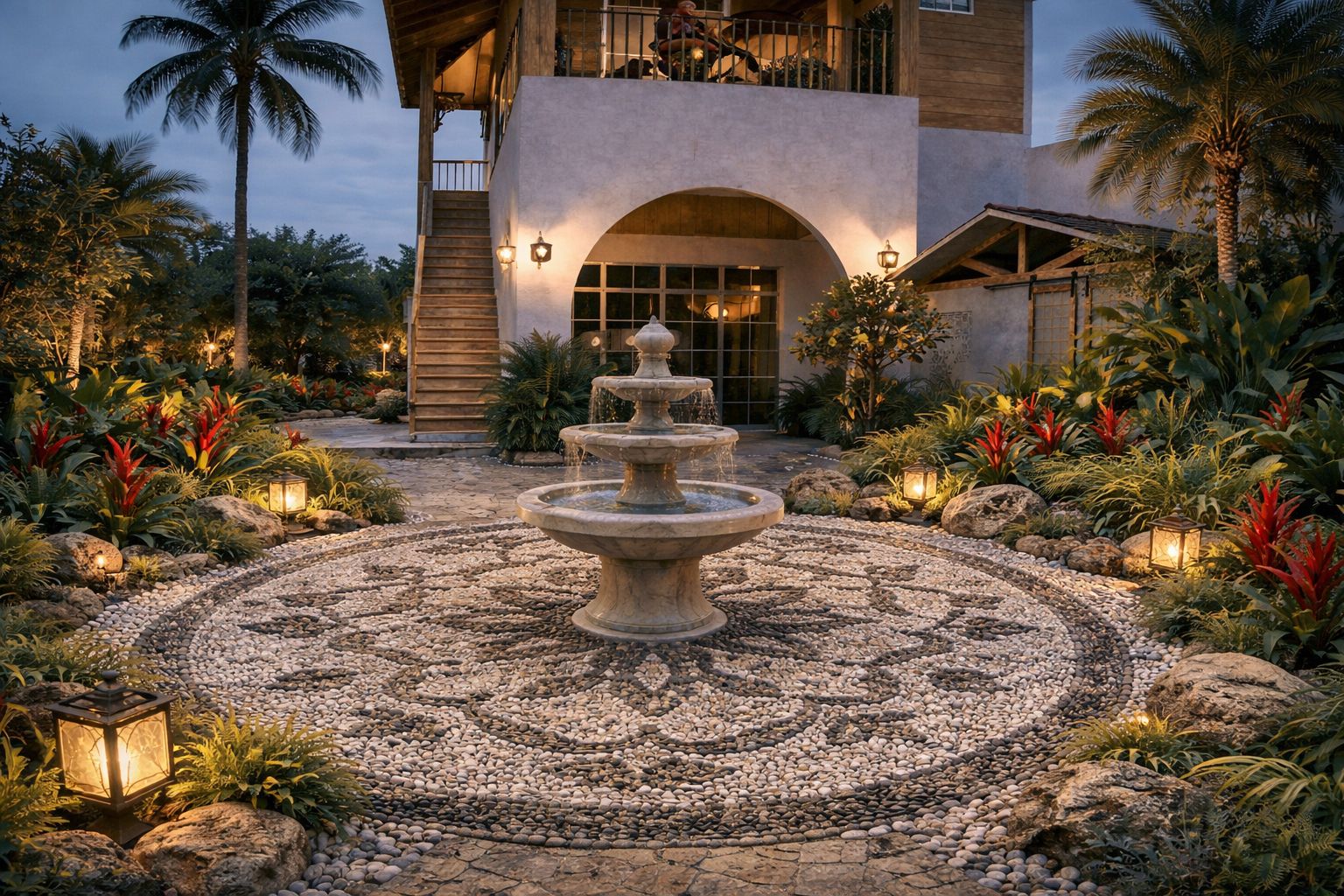
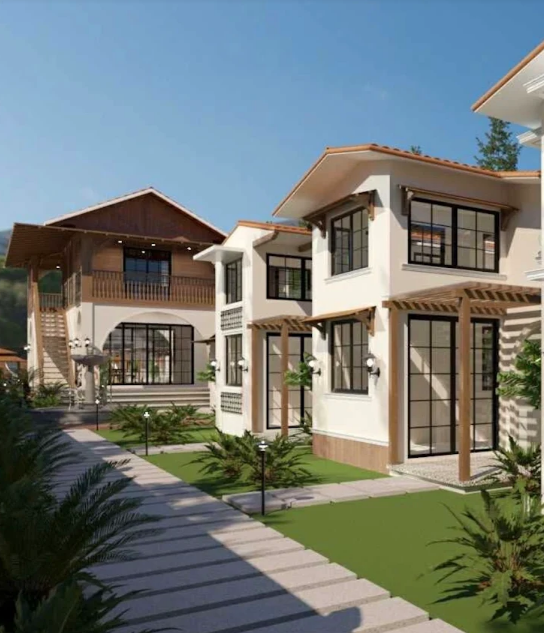
Experience Paradise Like Never Before
Coming Soon
Imagine waking up to the sound of gentle waves caressing the shore, and spending your days lounging in a cozy beachhouse with breathtaking ocean views. Let the warmth of the sun and the cool ocean breeze melt away your worries as you unwind with a good book or take a leisurely stroll along the beach.
Whether you're looking to recharge, reconnect with loved ones, or simply indulge in some well-deserved me-time, our beachhouse is the perfect haven for a relaxing vacation. Come and let the rhythm of the waves lull you into a state of serenity and tranquility.
Stunning pool with panoramic views
Beautifully landscaped grounds
Private casitas and spacious rooms

Discover our heritage, values, and commitment to sustainability
When people think of Zambales, the Subic Freeport Zone, the famous coves of San Antonio and the surfing waves of San Felipe often come to mind. But tucked quietly along the coastline lies is Cabangan, a town that has remained one of the province's best-kept secrets. With its pristine beaches, scenic mountains, hidden waterfalls, and winding rivers, Cabangan is a true paradise waiting to be discovered by adventurous travelers and nature lovers.
Unlike the more crowded coastal destinations, Cabangan offers long stretches of powdery sand beaches where you can walk for miles without encountering large tourist groups. Its shores are kissed by the West Philippine Sea, offering breathtaking sunsets that paint the horizon in fiery orange and purple hues. For those seeking peace and quiet, Cabangan's beaches are perfect for unwinding, beach camping, or even just stargazing under clear night skies.
Behind the coast, majestic mountains rise, offering endless opportunities for hiking, trekking, and eco-adventures. Trails lead to hidden view decks overlooking the sea, lush valleys, and local villages. The untouched beauty of Cabangan's mountains makes it an ideal destination for explorers who prefer off-the-beaten-path adventures.
Cabangan is blessed with tranquil rivers and lakes that are perfect for kayaking, bamboo rafting, or simply cooling off on a hot day. The Cabangan River winds gracefully through the town, offering both locals and visitors a refreshing escape. Many hidden swimming spots are scattered around, waiting to be explored by those who want to experience nature in its purest form.
For adventurers, the nearby waterfalls of Zambales are a must-see. Just a short trip from Cabangan, you'll find cascades hidden within lush forests, where crystal-clear waters tumble into natural pools. These waterfalls remain largely undiscovered, offering visitors a chance to enjoy nature without the crowds.
Cabangan is also home to the Aeta community, one of the Philippines' earliest settlers. Visiting Cabangan is not just about natural wonders—it's also about cultural immersion. Travelers can learn about the Aetas' traditions, crafts, and their deep connection to the land.
While other destinations in Zambales are slowly becoming commercialized, Cabangan remains largely untouched—giving visitors the rare chance to experience the raw beauty of nature before it becomes the next crowded tourist hotspot. Whether you're a backpacker, a family looking for a quiet retreat, or a group of friends seeking adventure, Cabangan has something to offer.
In today's world, the need for sustainable energy sources has never been more urgent. With the looming threat of climate change and the depletion of finite resources, it is crucial that we shift towards renewable energy sources that are both environmentally friendly and abundant. One such solution is green renewable energy, which harnesses the power of natural resources such as sunlight, wind, water, and biomass to generate electricity.
Green renewable energy offers a multitude of benefits, not only for the environment but also for our economy and society as a whole. By utilizing renewable energy sources, we can significantly reduce our dependence on fossil fuels, which are a major contributor to greenhouse gas emissions and air pollution. This, in turn, helps to mitigate climate change and improve air quality, leading to a healthier and more sustainable planet for future generations.
Furthermore, green renewable energy is a cost-effective and reliable alternative to traditional energy sources. With advancements in technology and infrastructure, renewable energy systems have become more efficient and affordable, making them a viable option for both residential and commercial applications. In addition, renewable energy sources are abundant and widely available, providing a stable and secure energy supply that is not subject to price fluctuations or geopolitical conflicts.
There are several types of green renewable energy sources that can be harnessed to generate electricity. Solar power, for example, utilizes photovoltaic cells to convert sunlight into electricity, while wind power harnesses the kinetic energy of wind to turn turbines and generate power. Hydropower, on the other hand, uses the force of flowing water to produce electricity, and biomass energy utilizes organic materials such as wood, crop residues, and animal waste to generate heat and electricity.
In conclusion, green renewable energy offers a sustainable and environmentally friendly solution to our energy needs. By harnessing the power of natural resources such as sunlight, wind, water, and biomass, we can reduce our reliance on fossil fuels, mitigate climate change, and create a cleaner and healthier planet for future generations. It is imperative that we embrace renewable energy technologies and practices to ensure a brighter and more sustainable future for all.
Contact Us: management@balaiplaya.com
To make the transition to green renewable energy, individuals and businesses can take several steps to reduce their carbon footprint and promote sustainability. Installing solar panels on rooftops, investing in wind turbines, and using energy-efficient appliances and lighting are just a few ways to incorporate renewable energy into daily life. Additionally, supporting policies and initiatives that promote renewable energy development and infrastructure can help to accelerate the transition to a clean energy future.
The Philippines is home to a rich history of native and colonial architecture, with many heritage houses standing as testaments to the country's cultural heritage. These houses, whether made of wood or stone, hold stories of the past and serve as reminders of a bygone era.
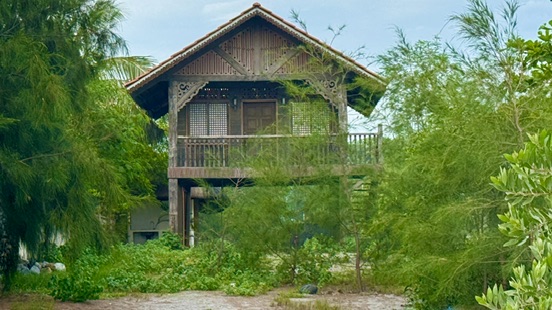
One unique aspect of Filipino heritage houses is the tradition of bayanihan, where entire communities come together to help move a house from one location to another. This practice, rooted in the spirit of cooperation and unity, showcases the importance of preserving these historic structures for future generations.
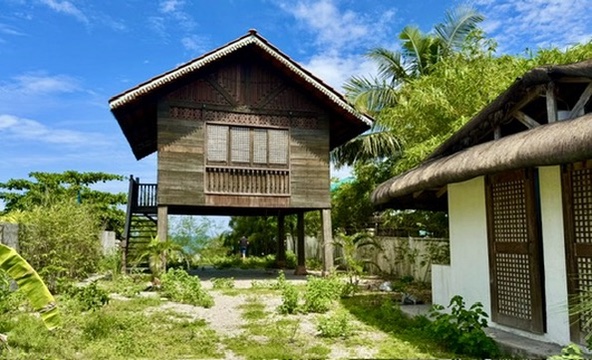
Preserving heritage houses in the Philippines is crucial for several reasons. Firstly, these houses serve as physical representations of the country's history and cultural identity. They provide a glimpse into the architectural styles and building techniques of past generations, offering valuable insights into the way people lived and worked in the past.
Furthermore, heritage houses play a vital role in promoting tourism and economic development. These historic structures attract visitors from all over the world, contributing to the local economy and creating opportunities for cultural exchange and education.
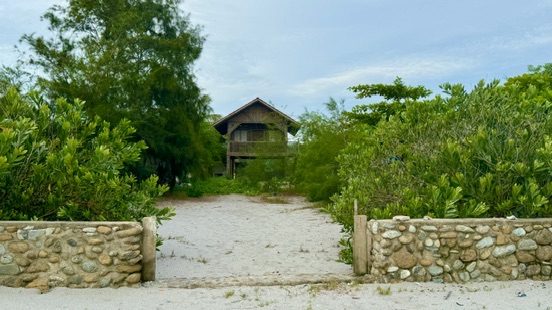
Additionally, preserving heritage houses helps to foster a sense of pride and connection to the past among Filipinos. By protecting these architectural treasures, we are ensuring that future generations will have the opportunity to learn about and appreciate their rich cultural heritage.
In conclusion, the preservation of heritage houses in the Philippines is essential for safeguarding the country's history, promoting tourism and economic development, and fostering a sense of cultural pride and identity. By recognizing the importance of these historic structures and taking steps to protect and maintain them, we can ensure that they continue to stand as living reminders of our shared heritage for years to come.
The preservation of the environment, particularly our oceans and coastlines, is crucial for the health and well-being of our planet. It is essential that we take steps to protect these precious natural resources in order to ensure a sustainable future for generations to come.
Proper waste disposal is a key component of environmental preservation. Improper disposal of waste, particularly plastic waste, can have devastating effects on marine life and ecosystems. Plastic waste often ends up in the ocean, where it can harm marine animals through ingestion or entanglement. By properly disposing of our waste and reducing our use of single-use plastics, we can help to protect our oceans and coastlines from pollution.
Dredging, the process of removing sediment from the bottom of bodies of water, is another practice that can have negative impacts on the environment. Dredging can disrupt marine habitats, destroy coral reefs, and release harmful pollutants into the water. By avoiding unnecessary dredging and implementing alternative methods of maintaining waterways, we can help to protect the delicate balance of marine ecosystems.
Preserving our environment, sea, and coastlines is not only important for the health of our planet, but also for the well-being of future generations. By taking steps to reduce our impact on the environment, properly dispose of waste, and avoid harmful practices like dredging, we can help to ensure a sustainable future for all living beings.
In conclusion, it is crucial that we prioritize the preservation of our environment, sea, and coastlines. By taking action to protect these natural resources, we can help to create a healthier and more sustainable planet for ourselves and future generations. Let us all do our part to protect and preserve the beauty and diversity of our oceans and coastlines for years to come.
Long before colonizers set foot on Philippine shores, the Aetas, a proud indigenous people were already calling these islands home. Widely recognized as among the first Filipinos, the Aetas lived in the lush mountains and forests of Zambales, thriving on a deep bond with nature that sustained their communities for thousands of years.
The Aetas' ancestral homeland in Zambales was forever changed in 1991, when Mount Pinatubo erupted in one of the most powerful volcanic events of the 20th century. Entire villages were buried in ash, farmlands destroyed, and rivers poisoned. With their homes gone, many Aeta families were forced to leave the mountains where they had lived for generations.
What followed was not only the loss of land but the erosion of culture. Forced into lowland areas, many Aetas struggled to adapt to unfamiliar ways of life. Despite promises of aid, government support has been minimal, leaving them to fend for themselves in the margins of society.
Today, many Aeta communities continue to live in poverty, lacking access to quality healthcare, education, and livelihood opportunities. Yet their contributions as guardians of the land and its biodiversity are invaluable. They possess traditional knowledge of herbal medicine, sustainable farming, and forest management that modern society often overlooks.
Unfortunately, without proper recognition and support, the Aetas remain among the most vulnerable sectors of Philippine society. Their displacement after Pinatubo was not just a natural disaster, it was a cultural tragedy that continues to affect generations.
If the Aetas are truly the first Filipinos, then their survival and dignity are a responsibility we all share. We must:
The story of the Aetas is not just history, it is a continuing struggle. By standing with them, we not only uplift a people but also honor the roots of what it truly means to be Filipino.
Zambales, known today for its serene beaches and mountain backdrops, holds a deep cultural story that stretches back centuries before Spanish colonization. Long before towns, roads, and coastal resorts appeared, the province was home to two distinct groups whose heritage continues to shape Zambales' identity: the Aetas, believed to be among the earliest inhabitants of the Philippine archipelago, and the Sambali (or Sambal) people, who later established settlements along the coast and valleys.
This is the story of Zambales' first settlers: their origins, traditions, struggles, and lasting legacy.
Origins and Arrival
The Aetas, also called Agta or Ayta, are considered one of the oldest ethnolinguistic groups in the Philippines. Many anthropologists believe they were part of the earliest human migrations from mainland Asia more than 30,000 years ago, arriving through land bridges during the last Ice Age.
Life in the Mountains
Before lowland settlements developed, the Aetas lived in the forests and mountains that run along Zambales' spine. Their settlements were small, mobile, and deeply connected to nature. Known for their mastery of hunting, foraging, and herbal medicine, the Aetas developed a lifestyle perfectly adapted to the rugged landscape.
Culture and Spiritual Beliefs
Aeta culture is rich with:
Despite modernization, many Aeta communities in Zambales continue to practice these traditions, preserving a cultural identity that predates recorded history.
Who Are the Sambali?
The Sambali (or Sambal) people are among the first Austronesian settlers of Zambales' coastal region. They likely arrived after the Aetas, migrating by sea and establishing communities along the narrow coastline between the mountains and the West Philippine Sea.
The name "Zambales" is widely believed to have come from the word Sambali, the language and identity of these early inhabitants.
Culture and Society
The Sambali developed organized coastal villages engaged in:
They practiced traditional beliefs involving anitos (ancestral spirits) and nature deities until Spanish missionaries arrived in the 16th century.
The Sambali Religion and Festival
Before colonization, the Sambali practiced an indigenous religion known as the Sambali faith, characterized by nature worship and shamanistic rituals.
Today, echoes of this heritage remain in the Sambali Festival, celebrated yearly in Botolan, honoring both culture and history.
Spanish Arrival
When the Spanish reached the region in the late 1500s, they encountered both Sambali coastal communities and Aeta groups in the mountains. The Sambali were more exposed to colonial influence due to their coastal location, resulting in:
In contrast, the Aetas retreated farther into the mountains, resisting assimilation and preserving their cultural independence.
Shared Struggles
Both groups experienced:
Yet, despite these pressures, both the Sambali and Aetas survived and adapted, maintaining their core traditions even as the province changed around them.
Today's Zambales is a blend of ancient heritage and modern culture.
Together, these two groups form the foundation of Zambales' identity, reminding residents and visitors that the province's natural beauty is matched by its rich human history.
Long before Zambales became known for tourism and coastal resorts, its lands were shaped by the enduring presence of the Aetas and Sambali people. Their stories of migration, resilience, culture, and survival remain deeply woven into the province's landscape.
Understanding the history of Zambales' first settlers allows us to appreciate not just the mountains and sea, but the heritage of the people who first called this land home.
Balai Playa Resort
Purok 1, Barangay Laoag, Lot 12
Cabangan, 2203 Zambales
Philippines
+63 917 119 3532
management@balaiplaya.com
Soon to open
Open 24/7 for guests
Front desk: 6:00 AM - 10:00 PM